Frequently Asked Questions
QUESTIONS
It all depends on the size and complexity of the situation, but usually we do not recommend that an inexperienced person tries to remove microbial contaminated materials. Mold remediation is a complex procedure that requires special equipment, knowledge and expertise. Call us today for a free mold removal estimate.
The potential for health problems occurs when people inhale large quantities of the airborne mold spores. For some people, however, a relatively small number of mold spores can cause health problems. Infants, children, immune-compromised patients, pregnant women, individuals with existing respiratory conditions and the elderly are at higher risks for adverse health effects from mold. We suggest that you and or your family consult a doctor regarding any health concerns. (Take your lab results to the doctor).
Having the appropriate air purifier will definitely make a difference in the air quality of the property; but it is not the solution to a contamination problem. If microbial remediation is required it cannot be avoided by using an air purifier. Healthway is a distributor for industry leading air purification systems, please ask your inspector for information about an air purifiers that is right for your specific situation.
Stachybotrys chartarum (also known by its synonym Stachybotrys atra) is a greenish-black mold. It can grow on material with a high cellulose and low nitrogen content, such as fiberboard, gypsum board, paper, dust, and lint. Growth occurs when there is moisture from water damage, excessive humidity, water leaks, condensation, water infiltration, or flooding. Constant moisture is required for its growth. It is not necessary, however, to determine what type of mold you may have. All molds should be treated the same with respect to potential health risks and removal.
The exterior sample is used to compare the inside spore levels with normal fungal ecology outside, this is the most relied upon method of analyzing test results. A normal indoor environment should have spore levels equal or lower than those found outside.
It is to your benefit to be present at time of inspection. Since part of the inspection is to educate the homeowner/buyer.
A typical inspection of a property of 3,000 square foot lasts approximately one to two hours.
Most types of mold that are routinely encountered are not hazardous to healthy individuals. However, too much exposure to mold may cause or worsen conditions such as Asthma, hay fever or other allergies. The most common symptoms of overexposure are cough, congestion, runny nose, eye irritation and aggravation of asthma. More serious health effects – such as fevers and breathing problems can occur but are unusual.
Most types of mold that are routinely encountered are not hazardous to healthy individuals. However, too much exposure to mold may cause or worsen conditions such as Asthma, hay fever or other allergies. The most common symptoms of overexposure are cough, congestion, runny nose, eye irritation and aggravation of asthma. More serious health effects – such as fevers and breathing problems can occur but are unusual.
Mold is fungi and is present everywhere – indoors and outdoors. There are more than 100,000 species of mold, of which, at least 1,000 are commonly found in the US. Florida mold is most likely to grow where it is damp or water is present – such as in bathrooms. Some species are capable of dangerous side effects.
YOU THINK YOU
HAVE MOLD?
Suspicion of hidden mold
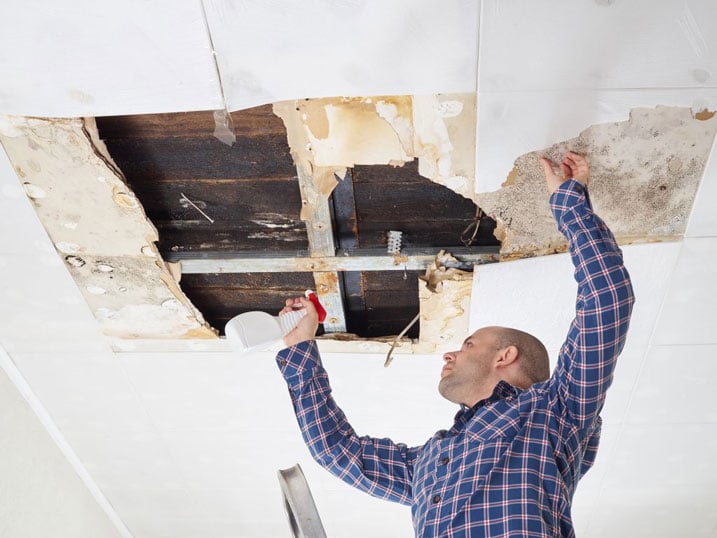
You may suspect hidden mold if a building smells moldy, but you cannot see the source, or if you know there has been water damage and residents are reporting health problems. Mold may be hidden in places such as the back side of dry wall, wallpaper, or paneling, the top side of ceiling tiles, the underside of carpets and pads, etc. Other possible locations of hidden mold include areas inside walls around pipes (with leaking or condensing pipes), the surface of walls behind furniture (where condensation forms), inside ductwork, and in roof materials above ceiling tiles (due to roof leaks or insufficient insulation).
Investigating hidden mold
Investigating hidden mold problems may be difficult and will require caution when the investigation involves disturbing potential sites of mold growth. For example, removal of wallpaper can lead to a massive release of spores if there is mold growing on the underside of the paper. If you believe that you may have a hidden mold problem, consider hiring an experienced professional.
PREVENTION TIPS
When water leaks or spills occur indoors – ACT QUICKLY.
If wet or damp materials or areas are dried 24-48 hours after a leak or spill happens, in most cases mold will not grow.
Keep indoor humidity low. If possible, keep indoor humidity below 60 percent (ideally between 30 and 50 percent) relative humidity. Relative humidity can be measured with a moisture or humidity meter, a small, inexpensive ($10-$50) instrument available at many hardware stores.
If you see condensation or moisture collecting on windows, walls or pipes ACT QUICKLY to dry the wet surface and reduce the moisture/water source. Condensation can be a sign of high humidity.
Clean and repair roof gutters regularly.
Run the bathroom fan or open the window when showering. Use exhaust fans or open windows whenever cooking, running the dishwasher or dishwashing, etc.